Wild Migration: builds the participation capacity of wildlife scientists, wildlife policy experts, NGOs and CSOs around the world to secure international wildlife conservation.
Wild Migration Projects
Wild Migration Projects is our programme to build the capacity of wildlife scientists, wildlife policy experts and non-governmental organisations in developing regions to utilise international processes for migratory and transboundary wildlife conservation.
Civil society is crucial to wildlife conservation around the world.
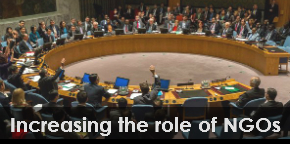
Wild Migration is focusing on building the capacity of wildlife scientists, wildlife policy experts and increasing the role of NGOs in CMS and Ramsar policy discussions.
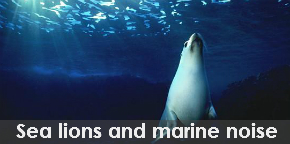
Endangered sea lions (Neophoca cinerea) are threatened by proposals to explore for oil and gas in their feeding grounds off the west coast of Kangaroo Island.
Wild Migration is working to secure policy recognition that marine noise impacts pinnipeds around the world, and for pinnipeds to be comprehensively included in offshore petroleum exploration Environmental Impact Assessments.
Wild Migration Managing Directors write and give evidence from bushfire recovery space
28 September 2020
Life in the remaining, fire-damaged tractor shed
at the Prideaux's Berrymans Road farm at Gosse on
the western end of Kangaroo Island has been busy
this year.
Earlier in the year the Prideaux's celebrated
three separate literary awards for books
published by Wild Migration's imprint, Stormbird
Press.
Wild Migration to focus on Stormbird Press for 2020 and 2021
January 2020
Following the devastating 2019/2020 Australian bushfire
season and the destruction of the Wild Migration main
office, the Board of Directors has decided that Wild
Migration’s efforts will focus on relaunching and
developing Stormbird Press for 2020 and 2021.
Wild Migration Granted ECOSOC Special Consultative Status
The Economic and Social Council (ECOSOC) of the
United Nations has granted Wild Migration special
consultative status during the coordination and
management meeting 25th July 2016.